
Is Hybrid Better Than EV in India? Best Option for 2025 Buyers Explained
Automobile • Date: 14 Dec 2025 • Reading time: 4-5 mins
Electric cars are finally catching on in India, but let’s be real most buyers are still on the fence about going fully electric. Sure, with fuel prices always climbing, EVs make a lot of sense. But then you think about charging hassles, and suddenly hybrids start looking just as good. For 2025, people aren’t just comparing tech specs. They’re thinking about what works day-to-day, what’s affordable, what’s practical, and what won’t leave them stranded.
So, what’s really the difference? Let’s break it down without all the jargon.
Hybrid vs EV — What Really Changes
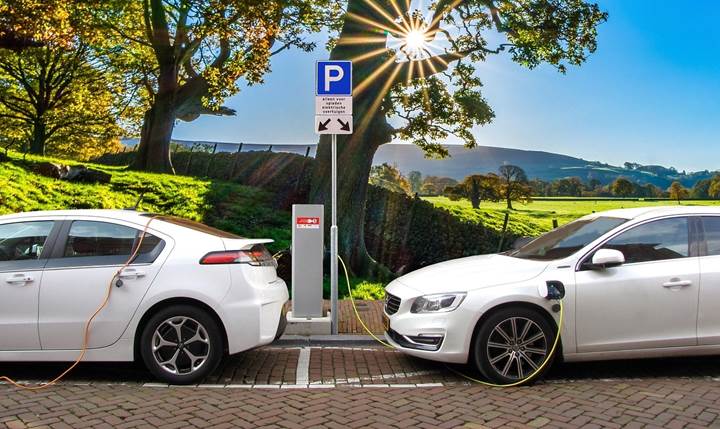
A hybrid uses both a petrol engine and an electric motor. The car just switches between them as needed. You don’t have to plug it in the battery itself while you drive. With an EV, it’s all electric. No petrol, but you do have to keep it charged, either at home or at a charging station.
In plain English: Hybrids mean lower fuel bills and no charging headaches. EVs offer the absolute lowest running costs, but only if you have a place to charge them. That’s a big deal in India, where you never really know what the roads or the power supply are going to throw at you. Long trips, bad roads, surprise detours, or just not finding a charger when you need one, it all adds up.
Table of Contents
Running Cost & Long-Term Expenses
EVs win on running costs, at least on paper. If you can charge at home, every kilometer can cost as little as ₹1–₹2. The catch? EVs still cost a lot more upfront because of those expensive batteries.
Hybrids are easier on your wallet in some ways. You get great mileage without having to change how you drive, and the batteries are smaller and cheaper to swap out. EV batteries are still the priciest part of the car.
Charging Limitations in India
Charging stations are popping up fast in big cities, but once you step outside the metro, good luck. Smaller cities and towns still have patchy coverage. Many apartments won’t let you install your own charger, so if you park in a shared lot, you’re kind of stuck.
Hybrids don’t care about charging at all. You fill up with petrol, get better mileage, and don’t have to worry about finding a plug.
Resale Value & Ownership Experience
Nobody really knows what EVs will be worth in a few years. People worry about battery lifespan, warranties, and the cost to replace those huge batteries. Hybrids, on the other hand, have built a reputation for reliability, so people feel safer buying them secondhand.
Final Recommendation for 2025
Go for an EV if you have a dedicated parking spot with a charger, mostly drive in the city, and want the lowest possible cost per kilometer.
Pick a hybrid if you can’t charge at home, drive a mix of city and highway, or just want something predictable and hassle-free.
Honestly, for most people in India in 2025, hybrids just hit the sweet spot for convenience, savings, and peace of mind.
FAQs
Q: Do hybrids require charging?
A: No. They charge themselves while driving.
Q: Are EVs cheaper to run?
A: Yes — but only if charging is convenient for you.
Q: Which lasts longer: hybrid or EV?
A: Both are reliable, but hybrid batteries are cheaper to replace.
Q: Is hybrid good for highways?
A: Yes. They provide consistent mileage and eliminate range anxiety.